
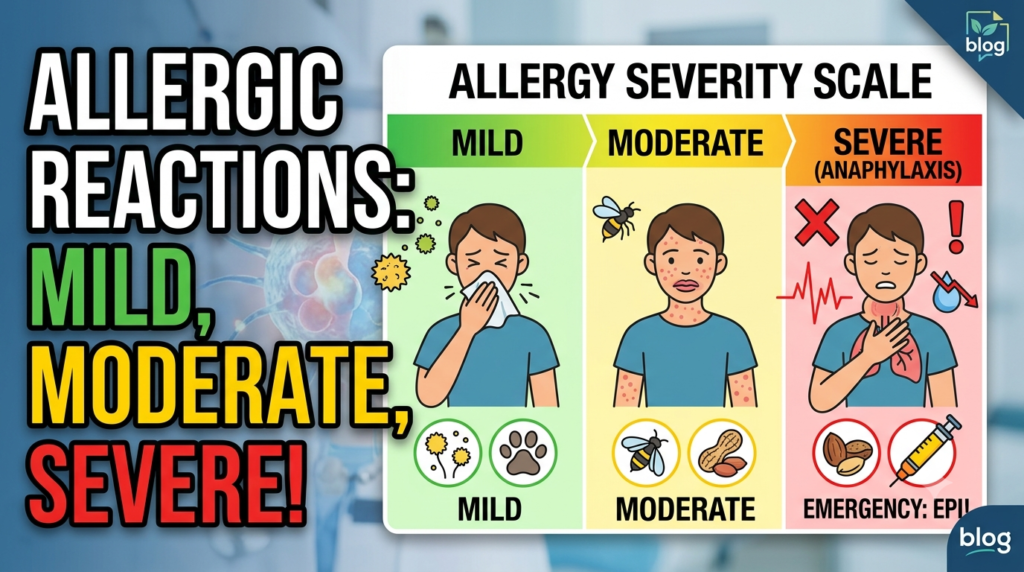
Allergic reactions occur when the immune system overreacts to a harmless substance known as an allergen. Common allergens include pollen, dust mites, certain foods, medications, insect stings, and pet dander. The severity of allergic reactions varies from person to person, ranging from mild symptoms that cause discomfort to severe reactions that can become life-threatening. Understanding the different types of allergic reactions is important for healthcare professionals because early recognition and appropriate treatment can help prevent serious complications.
Mild Allergic Reactions
Mild allergic reactions are the most common type of allergic response and usually affect a limited area of the body. These reactions are generally not life-threatening and are often managed with antihistamines and allergen avoidance.
Common symptoms
Sneezing
Runny nose
Itchy eyes
Mild skin itching
Localized rash or redness
Examples
Seasonal allergies (hay fever)
Mild pet allergies
Mild food sensitivity reactions
Moderate Allergic Reactions
Moderate allergic reactions involve more noticeable symptoms and may affect multiple body systems. These reactions require closer monitoring because they can sometimes progress to severe allergic reactions.
Common symptoms
Hives (urticaria)
Swelling of the face, lips, or eyelids
Persistent coughing
Wheezing
Abdominal pain
Nausea or vomiting
Examples
Food allergies
Medication allergies
Insect sting reactions
Severe Allergic Reactions (Anaphylaxis)
Anaphylaxis is the most serious type of allergic reaction and is considered a medical emergency. It occurs when the immune system triggers a widespread reaction that affects multiple body systems simultaneously. Without immediate treatment, anaphylaxis can be fatal.
Common symptoms
Difficulty breathing
Swelling of the tongue or throat
Tightness in the chest
Rapid or weak pulse
Dizziness or fainting
Sudden drop in blood pressure
Loss of consciousness
Common triggers
Peanuts and tree nuts
Shellfish
Bee or wasp stings
Penicillin and other medications
Immediate treatment with epinephrine (adrenaline) is essential.
Immediate and Delayed Allergic Reactions
Allergic reactions can also be classified according to the time they take to develop after exposure to an allergen.
Immediate reactions
These occur within minutes to one hour after exposure and are usually caused by IgE-mediated immune responses.
Examples:
Anaphylaxis
Hives
Allergic rhinitis
Delayed reactions
These develop several hours to days after exposure and are often mediated by T lymphocytes rather than antibodies.
Examples:
Contact dermatitis
Poison ivy reactions
Latex-related skin reactions
Importance in Nursing Practice
Understanding the different types of allergic reactions helps nurses identify the severity of symptoms and prioritize patient care appropriately. Early recognition of moderate and severe reactions is essential because rapid intervention can prevent complications such as airway obstruction, shock, and anaphylaxis.
This knowledge also supports safe medication administration, effective patient education, and evidence-based allergy management. Nurses play a key role in identifying allergens, monitoring patient responses, and responding promptly during allergic emergencies.
Note
Allergic reactions may be mild, moderate, or severe.
Anaphylaxis is the most dangerous type and requires emergency treatment.
Reactions can be immediate or delayed depending on the immune mechanism involved.
Allergies may affect the respiratory system, skin, gastrointestinal tract, or multiple body systems.
Early recognition and treatment are essential for safe and effective nursing care.