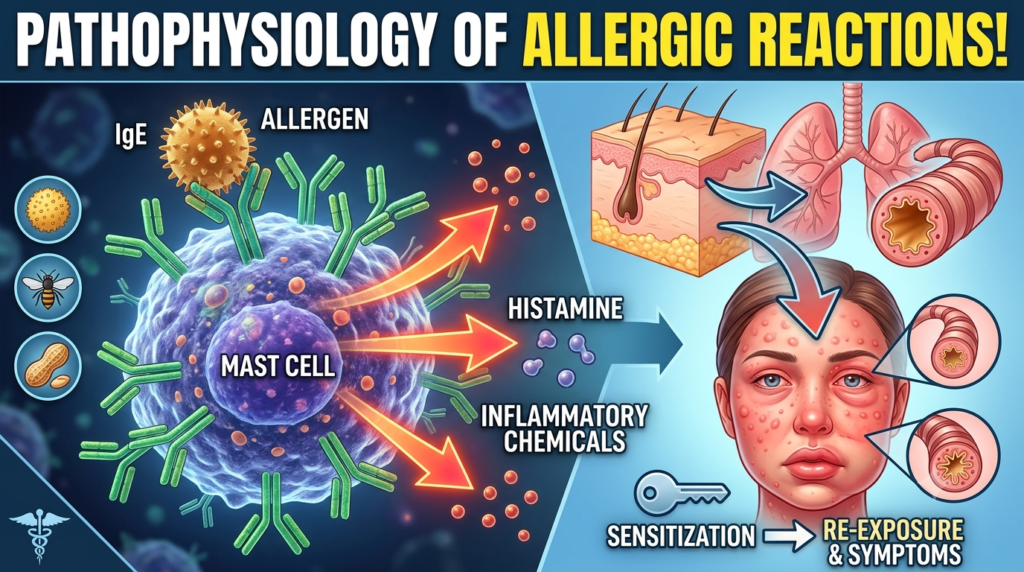
Pathophysiology of Allergic Reactions

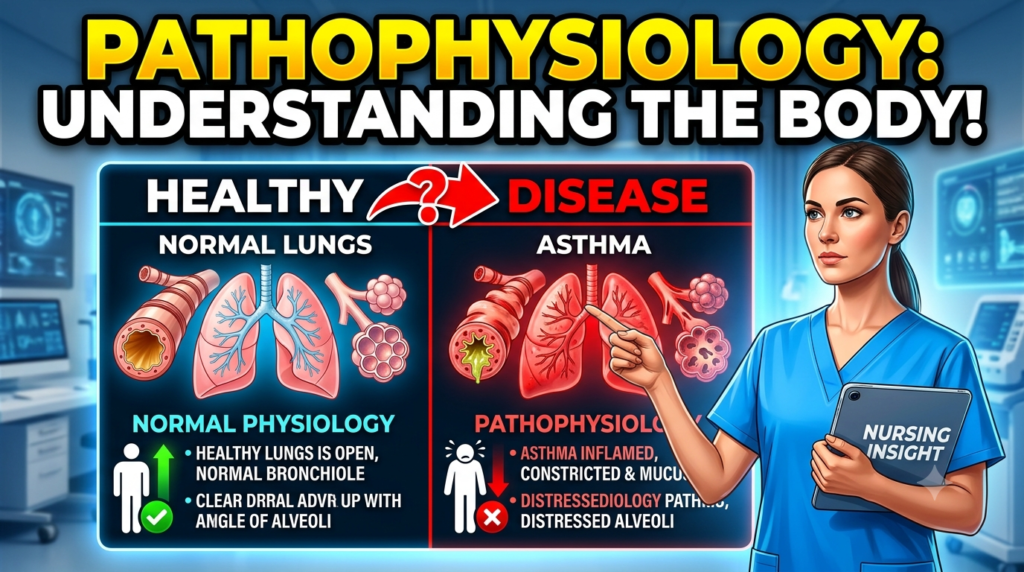
Topic: Pathophysiology Allergic reactions occur when the immune system overreacts to substances that are normally harmless, such as pollen, dust mites, animal dander, certain foods, insect stings, or medications. These substances, known as allergens, trigger an immune response that leads to the release of inflammatory chemicals. Although allergies are intended to protect the body from
Pathophysiology of Allergic Reactions Read More »

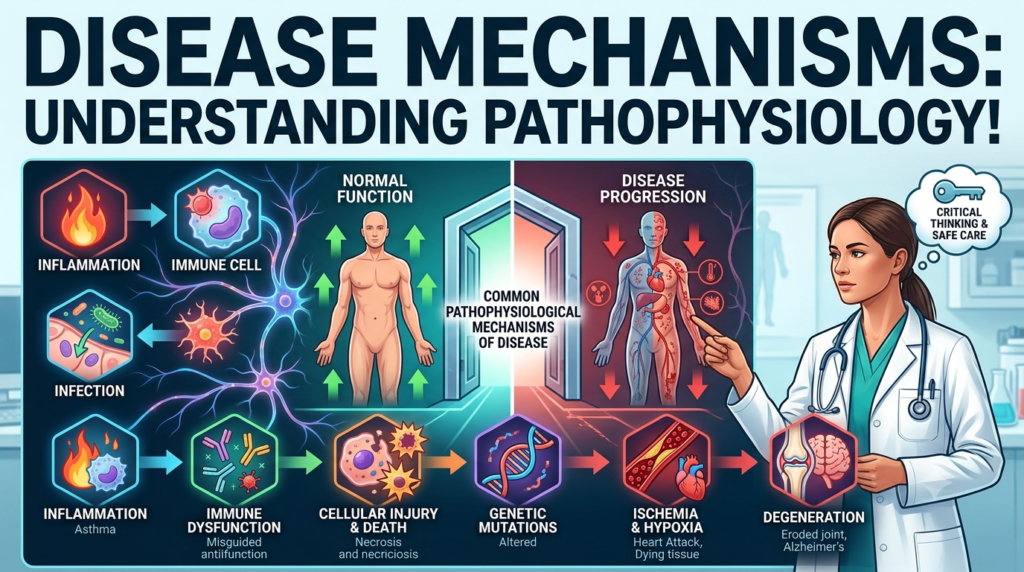
Common Pathophysiological Mechanisms of Disease

Topic: Pathophysiology Diseases develop through a series of biological changes that disrupt the body’s normal structure and function. These changes, known as pathophysiological mechanisms, explain how diseases begin, progress, and produce signs and symptoms. Understanding these mechanisms helps nurses and other healthcare professionals recognize disease processes, identify complications early, and provide appropriate patient care. Although

Common Pathophysiological Mechanisms of Disease Read More »

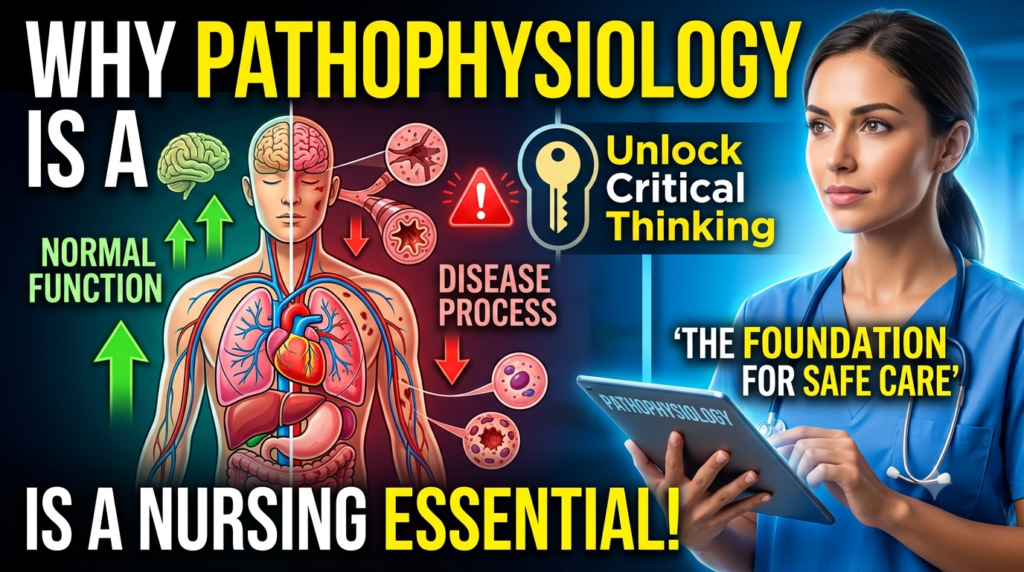
Importance of Pathophysiology in Nursing Practice

Topic: Pathophysiology Pathophysiology is a fundamental component of nursing practice because it helps nurses understand the biological processes that occur when the body is affected by disease or injury. Rather than focusing only on symptoms, nurses use pathophysiological knowledge to understand why diseases develop, how they progress, and how they affect different body systems. This

Importance of Pathophysiology in Nursing Practice Read More »

What Is Pathophysiology? Meaning, Examples, and Importance

Topic: Pathophysiology Understanding how diseases affect the human body is one of the most important aspects of nursing and healthcare. Healthcare professionals must not only recognize the signs and symptoms of illness but also understand the biological changes that cause them. This knowledge enables nurses to assess patients accurately, make informed clinical decisions, and provide

What Is Pathophysiology? Meaning, Examples, and Importance Read More »

Choosing the Type of Research for a Research Problem

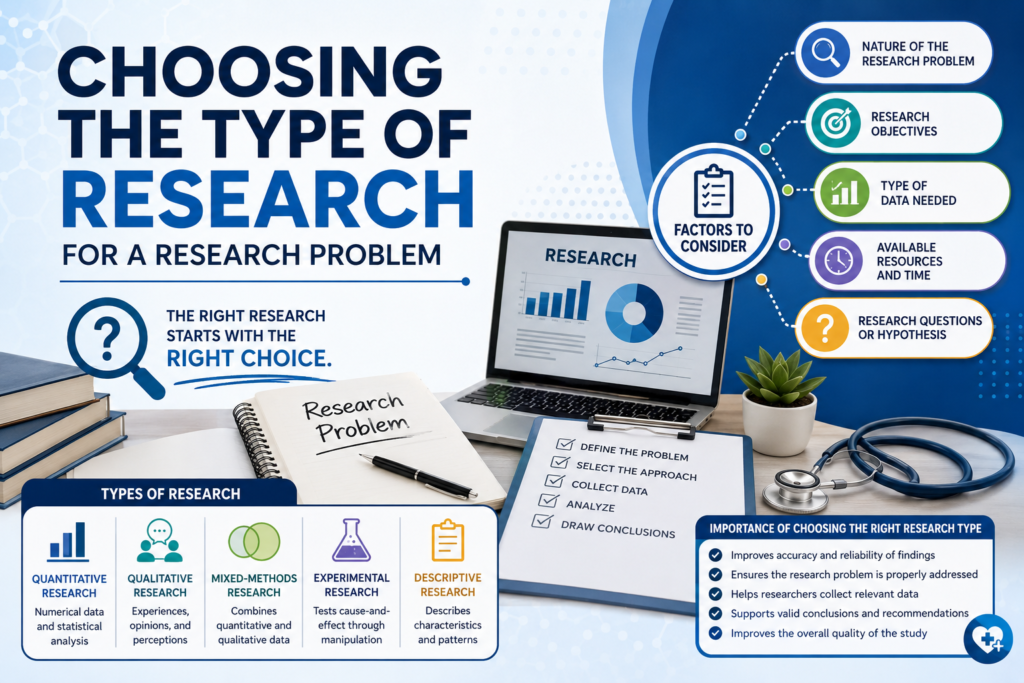
Choosing the appropriate type of research is an important step in the research process because it determines how data will be collected, analyzed, and interpreted. The type of research selected depends on the nature of the research problem, study objectives, available resources, and the kind of information needed. Selecting the wrong research type may lead

Choosing the Type of Research for a Research Problem Read More »

Conceptual Models of Nursing in Critical Care: Key Concepts

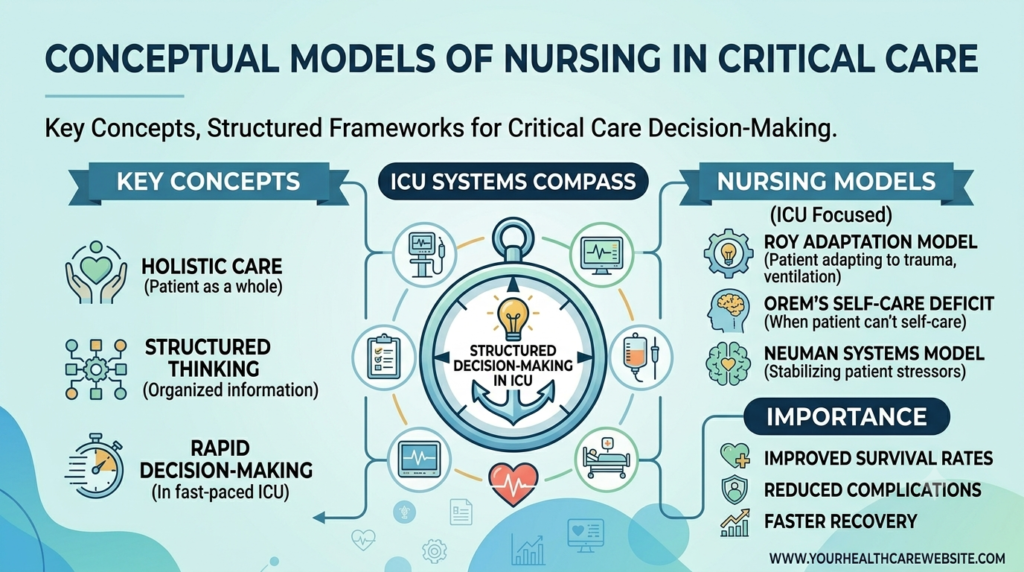
Conceptual models of nursing in critical care provide structured frameworks that guide how nurses understand, assess, and manage patients in highly complex and high-risk environments such as Intensive Care Units (ICUs). These models help nurses organize care for critically ill patients who often have life-threatening conditions requiring continuous monitoring, rapid decision-making, and advanced interventions. In

Conceptual Models of Nursing in Critical Care: Key Concepts Read More »

Nursing Models vs Nursing Theories: Differences and Key Concepts

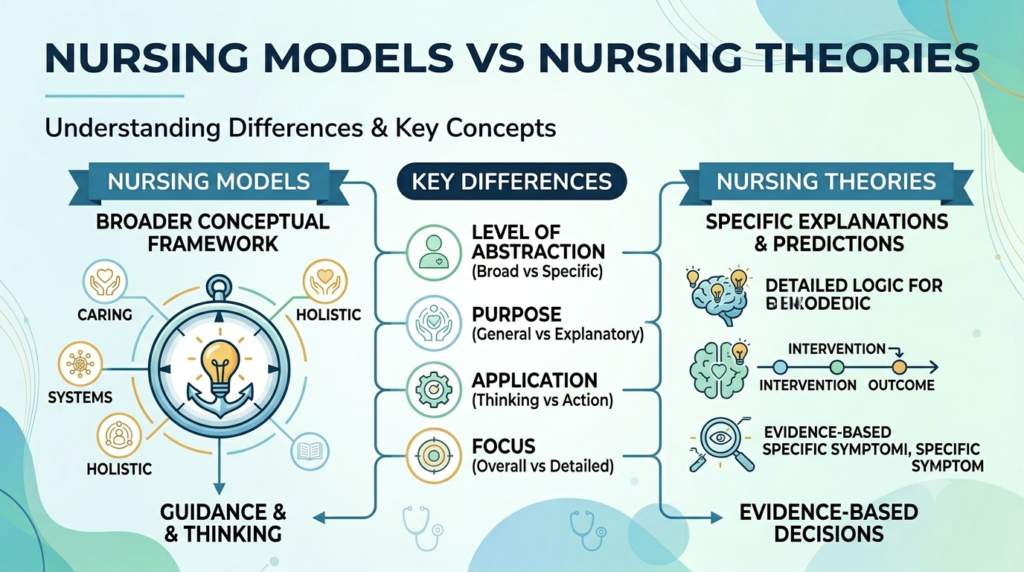
Nursing models and nursing theories are both essential in guiding nursing practice, education, and research. They help nurses understand patient care, organize knowledge, and improve decision-making in clinical settings. Although they are closely related and often used together, they are not the same. Understanding the difference between nursing models and nursing theories helps clarify how

Nursing Models vs Nursing Theories: Differences and Key Concepts Read More »

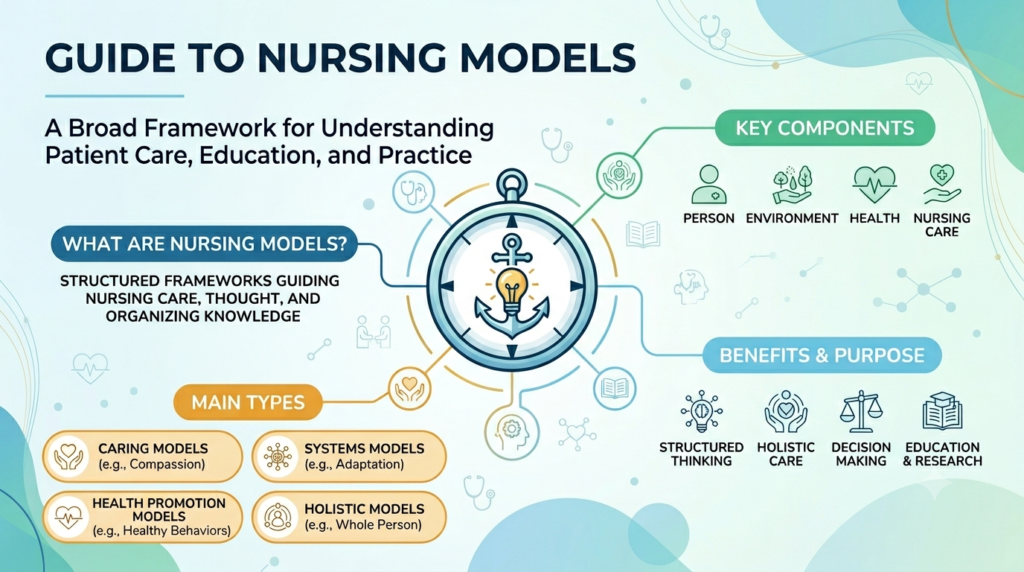
Nursing Models: Meaning, Types, and Importance in Practice

Nursing models are structured frameworks that help explain how nursing care is delivered and how different elements of healthcare are connected. They provide a broad way of thinking about patients, health, environment, and nursing actions. Nursing models are used in education, practice, and research to guide nurses in understanding patient needs and organizing care in

Nursing Models: Meaning, Types, and Importance in Practice Read More »

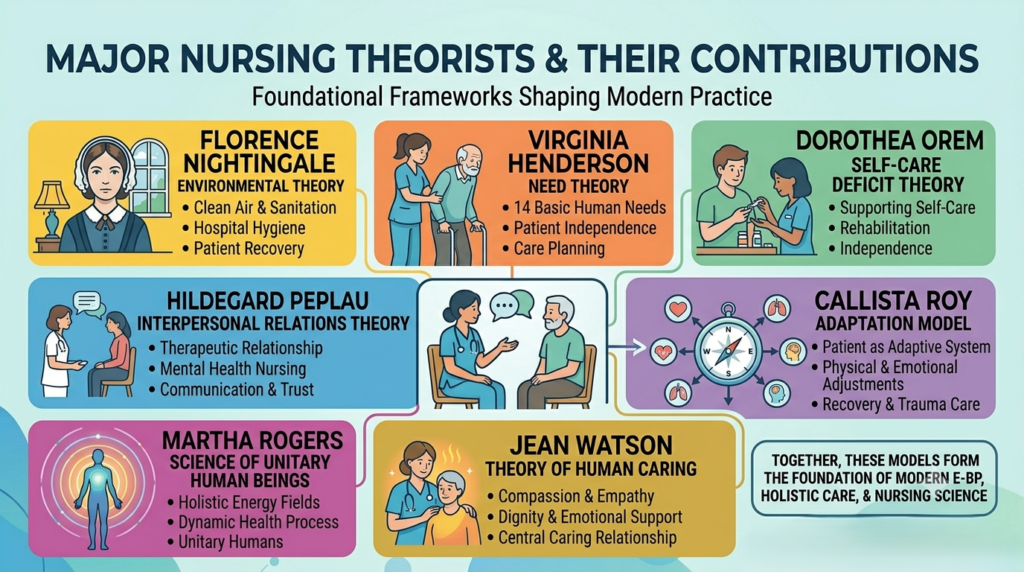
Major Nursing Theorists and Their Contributions

Nursing theories were developed by key scholars to explain and guide nursing practice. These theorists helped establish nursing as a scientific profession with its own body of knowledge. Their ideas continue to shape modern nursing education, clinical practice, and research by providing frameworks for patient care, communication, and decision-making. Each theorist offers a unique perspective

Major Nursing Theorists and Their Contributions Read More »

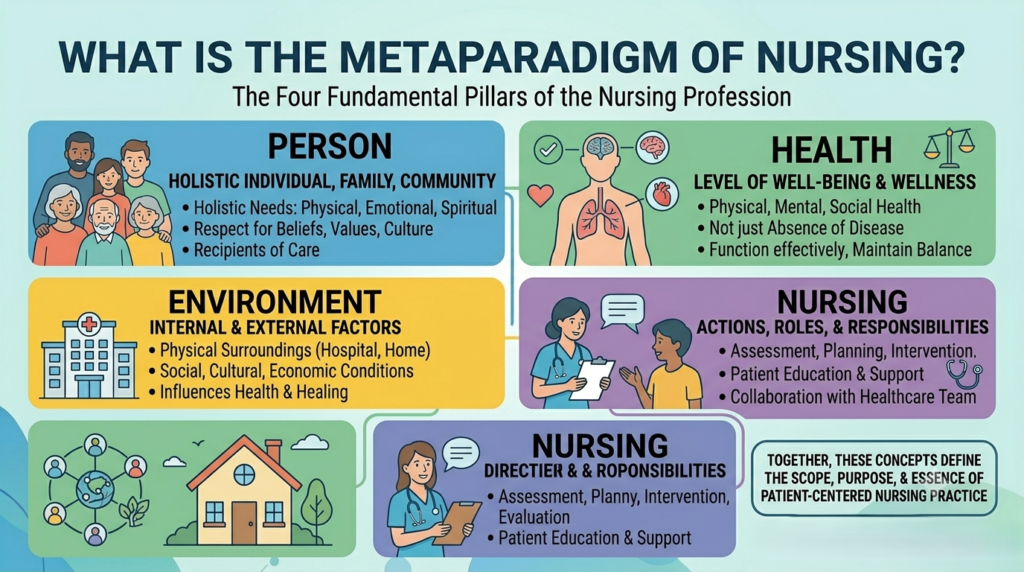
What Is the Metaparadigm of Nursing? Key Concepts Explained

The metaparadigm of nursing refers to the broadest and most abstract framework that defines the nursing profession. It consists of four fundamental concepts that describe the focus and purpose of nursing practice. These concepts include person, health, environment, and nursing, which together explain how nurses provide care and support patient well-being. The metaparadigm helps organize

What Is the Metaparadigm of Nursing? Key Concepts Explained Read More »