Antidepressants

Antidepressants are medications used to treat depression and several other mental health conditions, including anxiety disorders, obsessive-compulsive disorder (OCD), and post-traumatic stress disorder (PTSD). They help manage symptoms by influencing neurotransmitter systems involved in mood regulation, emotional responses, sleep, and other brain functions. Although antidepressants are commonly associated with depression treatment, different medications have different
Antidepressants Read More »

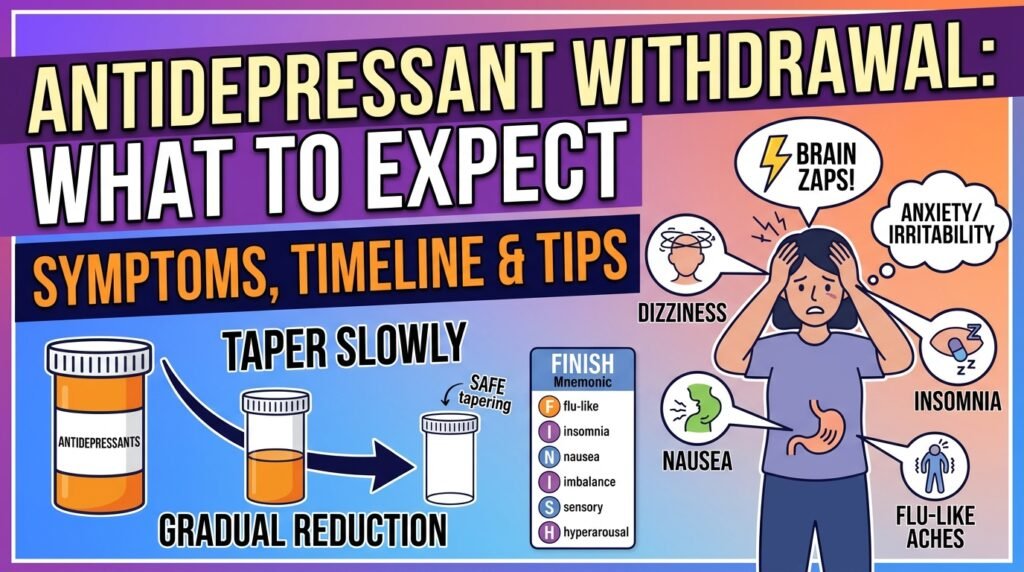
Antidepressant Withdrawal Symptoms

Topic: Antidepressants Antidepressants are commonly prescribed to manage depression, anxiety disorders, and other mental health conditions. Although these medications can improve symptoms and support long-term mental health, stopping them suddenly may cause physical and psychological symptoms known as antidepressant discontinuation syndrome. These symptoms can develop when a person abruptly stops taking an antidepressant, reduces the

Antidepressant Withdrawal Symptoms Read More »

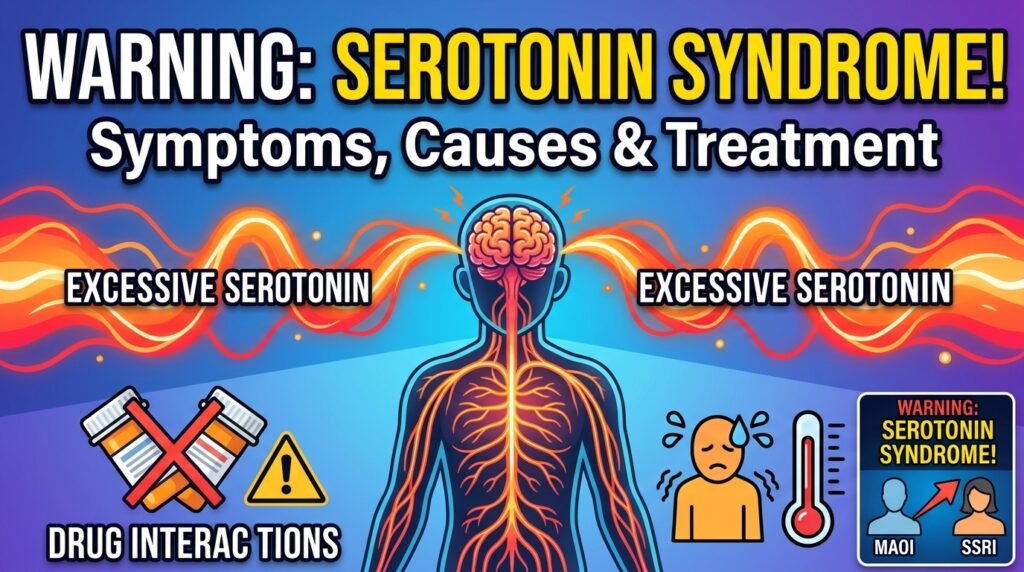
Serotonin Syndrome

Topic: Antidepressants Serotonin syndrome is a potentially life-threatening condition that occurs when there is excessive serotonin activity in the central and peripheral nervous systems. It most commonly develops after taking medications that increase serotonin levels or activity, particularly when multiple serotonergic medications are used together or medication doses are increased. Serotonin plays an important role

Serotonin Syndrome Read More »

Antidepressant Side Effects

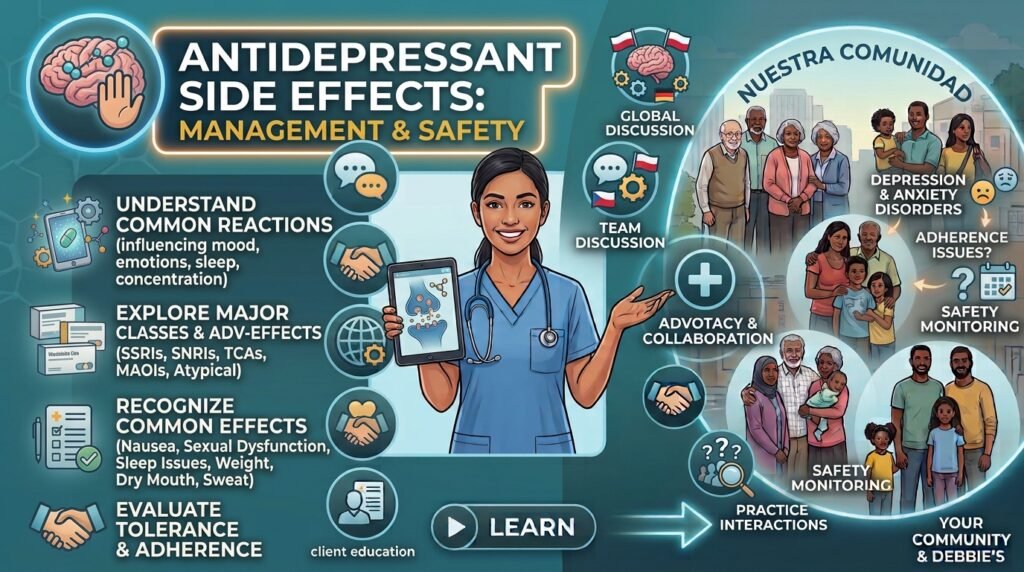
Topic: Antidepressants Antidepressants are medications used to treat depression and several other mental health conditions. They work by influencing neurotransmitter activity in the brain, helping regulate mood, emotions, sleep, concentration, and other functions. Although antidepressants can improve mental health and daily functioning, they may also cause side effects. These effects vary depending on the medication,

Antidepressant Side Effects Read More »

How Long Do Antidepressants Take to Work?

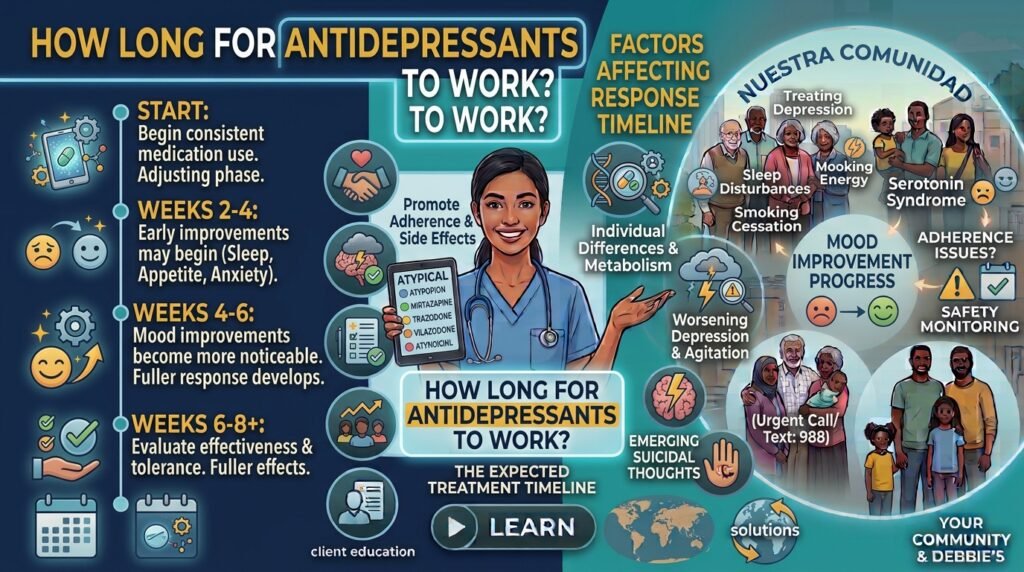
Topic: Antidepressants Antidepressants are medications used to manage depression and several other mental health conditions. They work by influencing neurotransmitter activity in the brain, helping improve symptoms such as persistent sadness, loss of interest, anxiety, and changes in sleep or appetite. One of the most common questions patients ask when starting treatment is how long

How Long Do Antidepressants Take to Work? Read More »

Atypical Antidepressants: Types, Uses, and Side Effects

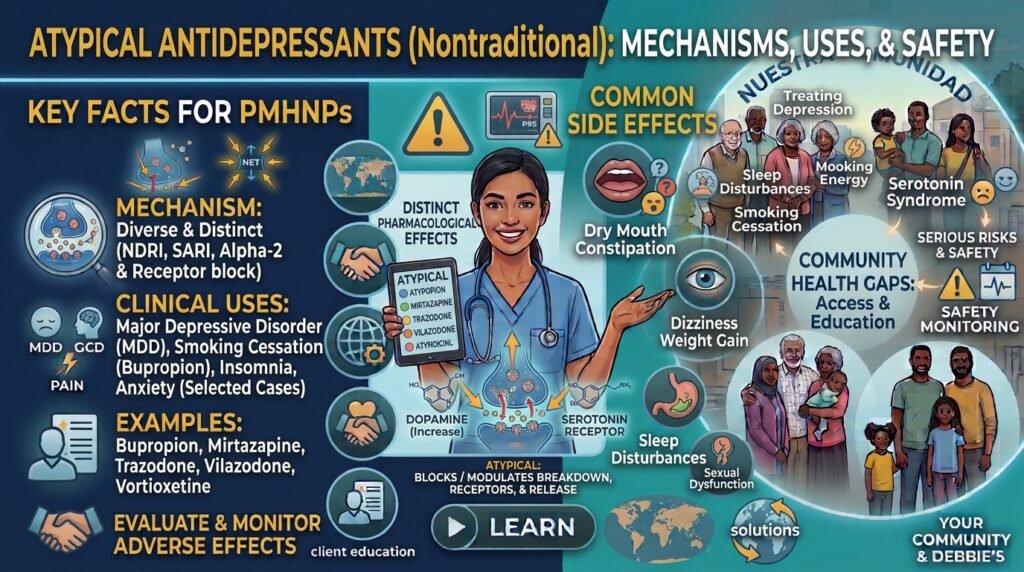
Topic: Antidepressants Atypical antidepressants are a group of medications used to treat depression and certain other mental health conditions. Unlike selective serotonin reuptake inhibitors (SSRIs), serotonin-norepinephrine reuptake inhibitors (SNRIs), and tricyclic antidepressants (TCAs), they do not all share one primary mechanism of action. Instead, atypical antidepressants affect different neurotransmitter systems through several pharmacological mechanisms. Some

Atypical Antidepressants: Types, Uses, and Side Effects Read More »

MAOIs: How They Work, Uses, and Dietary Restrictions

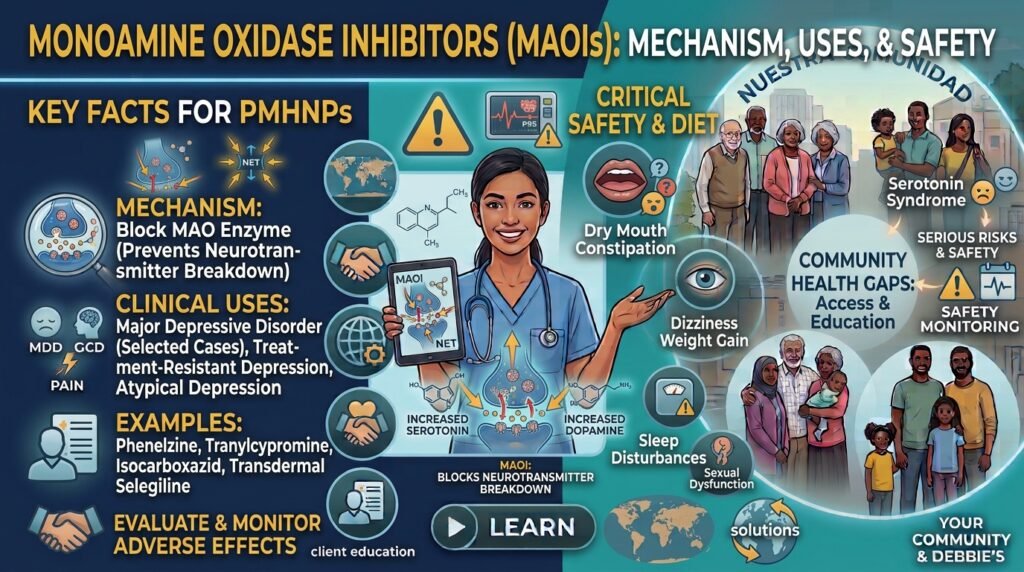
Topic: Antidepressants Monoamine oxidase inhibitors (MAOIs) are a class of antidepressant medications used to treat certain mood disorders, particularly major depressive disorder in selected patients. They are among the earliest antidepressants developed and remain important in psychiatric pharmacology because of their distinct mechanism of action and potential effectiveness in difficult-to-treat depression. Although newer antidepressants, such

MAOIs: How They Work, Uses, and Dietary Restrictions Read More »

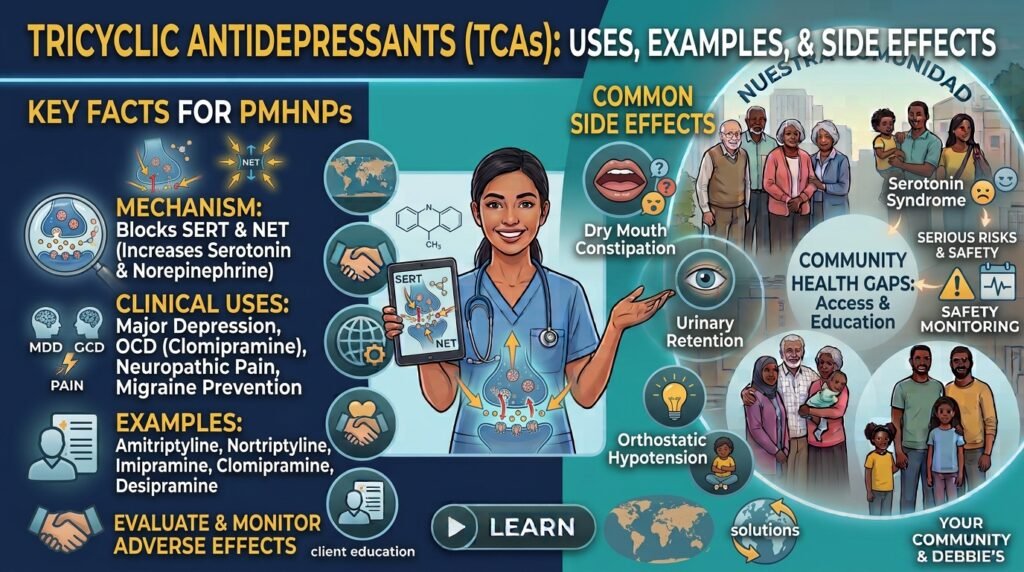
Tricyclic Antidepressants (TCAs): Uses, Examples, and Side Effects

Topic: Antidepressants Tricyclic antidepressants (TCAs) are an older class of antidepressant medications used to treat major depressive disorder and several other conditions. Although newer antidepressants, such as selective serotonin reuptake inhibitors (SSRIs), are often prescribed first because they generally have a more favorable side-effect and safety profile, TCAs remain useful in selected clinical situations. For

Tricyclic Antidepressants (TCAs): Uses, Examples, and Side Effects Read More »

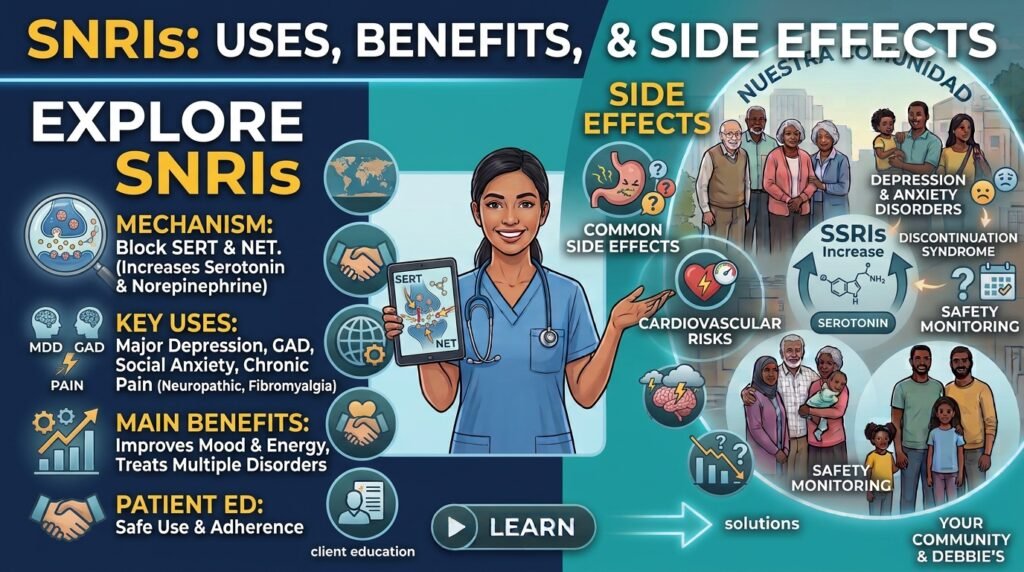
SNRIs: Uses, Benefits, and Potential Side Effects

Topic: Antidepressants Serotonin-norepinephrine reuptake inhibitors (SNRIs) are a class of antidepressants used to treat depression and several anxiety-related conditions. They work by increasing the availability of two important neurotransmitters in the brain: serotonin and norepinephrine. These chemical messengers play important roles in mood regulation, attention, energy, and emotional responses. SNRIs are commonly prescribed when patients

SNRIs: Uses, Benefits, and Potential Side Effects Read More »

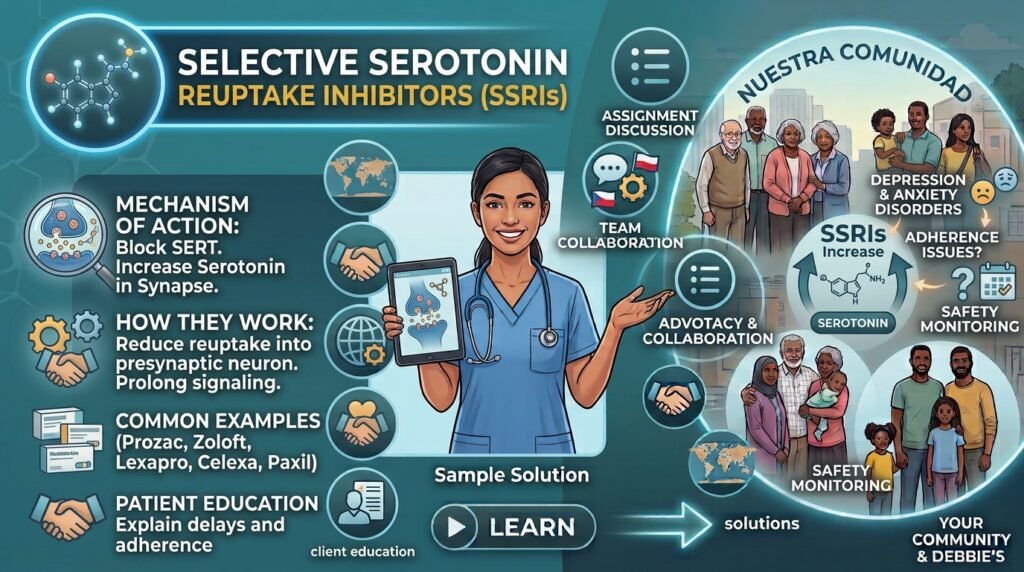
SSRIs: Uses, Common Medications, and Side Effects

Selective serotonin reuptake inhibitors (SSRIs) are among the most commonly prescribed classes of antidepressants. They are primarily used to treat major depressive disorder and several anxiety-related conditions. SSRIs work by increasing the availability of serotonin in the brain, a neurotransmitter involved in mood regulation, sleep, appetite, and emotional processing. Because of their effectiveness and generally

SSRIs: Uses, Common Medications, and Side Effects Read More »