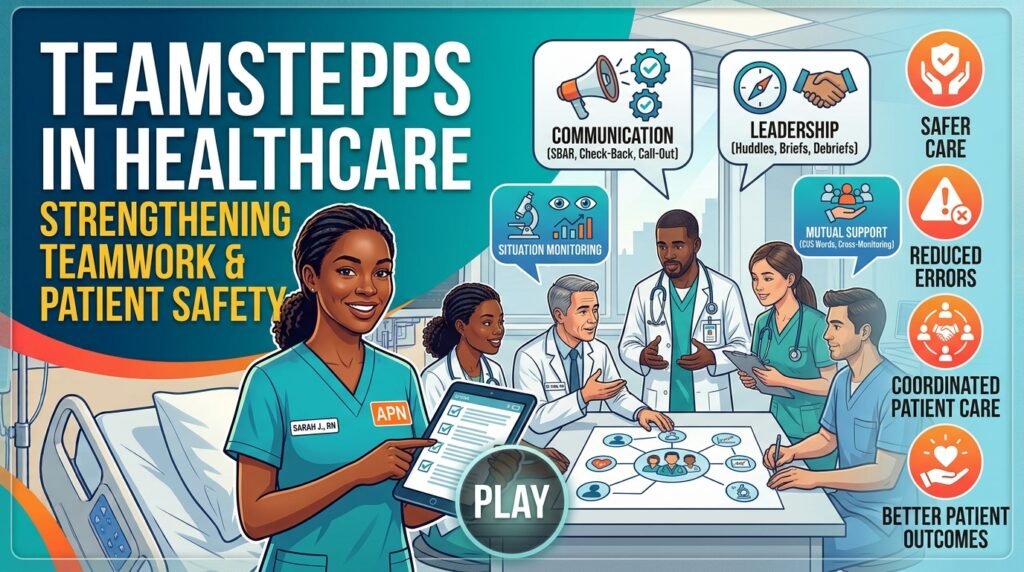
TeamSTEPPS in Healthcare: Improving Teamwork and Patient Outcomes

Effective teamwork is essential in healthcare because patient care often involves several professionals working together. Nurses, physicians, pharmacists, therapists, and other healthcare providers must communicate clearly, coordinate their responsibilities, and make informed decisions to achieve positive patient outcomes. However, poor communication, misunderstandings, and unclear roles can affect the quality and safety of care. TeamSTEPPS provides

TeamSTEPPS in Healthcare: Improving Teamwork and Patient Outcomes Read More »
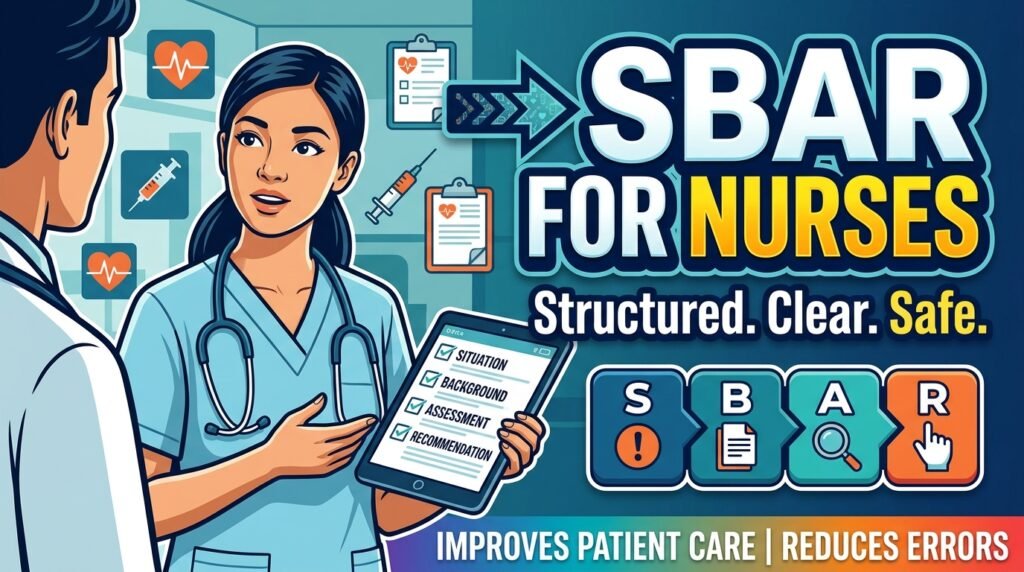
SBAR Communication in Nursing: Meaning, Steps, and Examples

Effective communication is essential in nursing, particularly when sharing patient information, reporting changes in health conditions, and coordinating treatment. Healthcare professionals need a consistent way to communicate important clinical information accurately and efficiently. SBAR is a structured communication tool that helps nurses organize information and deliver clear, concise messages to other healthcare professionals. It supports

SBAR Communication in Nursing: Meaning, Steps, and Examples Read More »

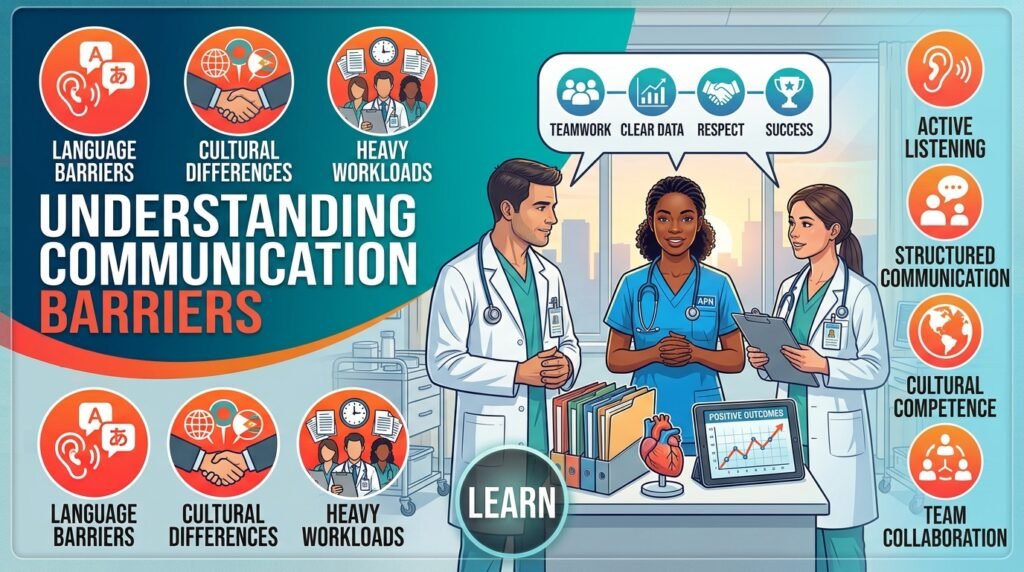
Barriers to Effective Communication in Healthcare

Effective communication is essential for delivering safe, coordinated, and patient-centered healthcare. Healthcare professionals rely on accurate information exchange when assessing patients, discussing treatment options, administering medications, and coordinating care. However, various barriers can interfere with communication between healthcare professionals, patients, and their families. Understanding these barriers is important for preventing misunderstandings, reducing healthcare errors, and

Barriers to Effective Communication in Healthcare Read More »

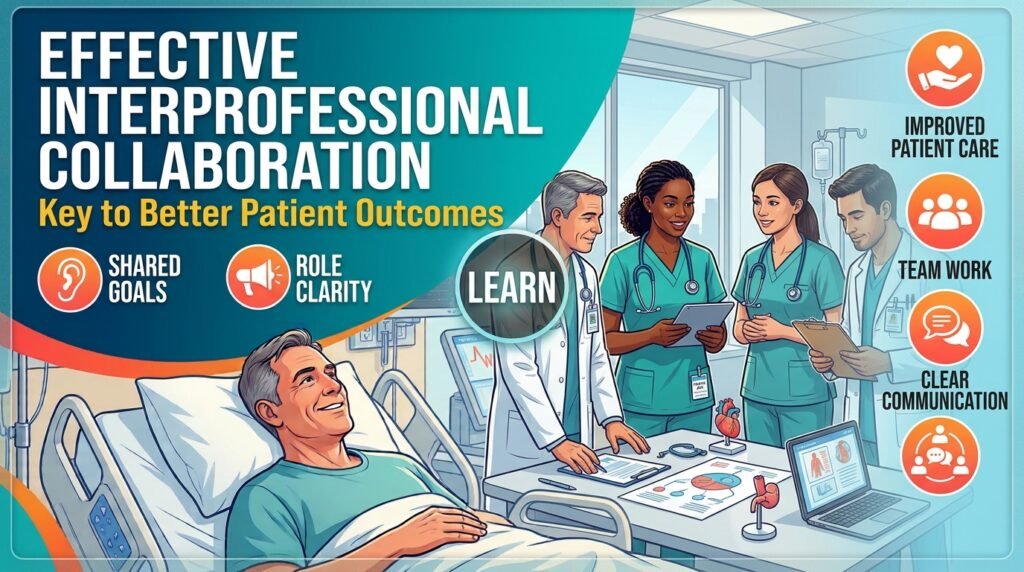
Interprofessional Collaboration in Healthcare

Healthcare delivery involves different professionals working together to assess patient needs, make clinical decisions, provide treatment, and promote positive health outcomes. Interprofessional collaboration is essential because patients often require care from multiple healthcare disciplines. When healthcare professionals share knowledge, communicate effectively, and coordinate their responsibilities, they can provide safer, more comprehensive, and patient-centered care. What

Interprofessional Collaboration in Healthcare Read More »

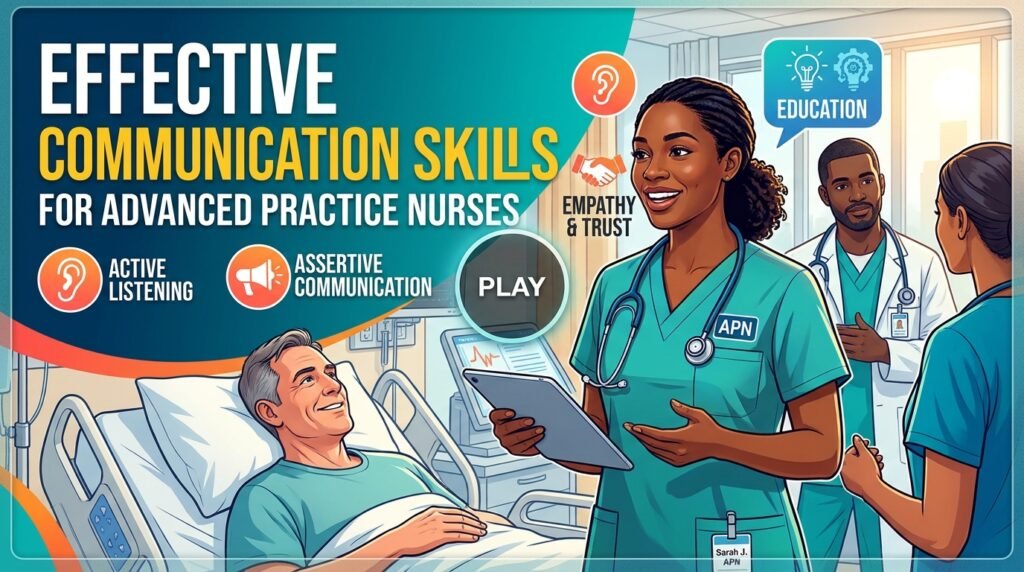
Effective Communication Skills for Advanced Practice Nurses

Effective communication is a fundamental skill for advanced practice nurses because it influences patient relationships, clinical decisions, teamwork, and the quality of healthcare delivery. Advanced practice nurses frequently handle complex patient needs, explain medical information, coordinate treatment, and collaborate with professionals from different healthcare disciplines. Developing strong communication skills helps them perform these responsibilities effectively

Effective Communication Skills for Advanced Practice Nurses Read More »

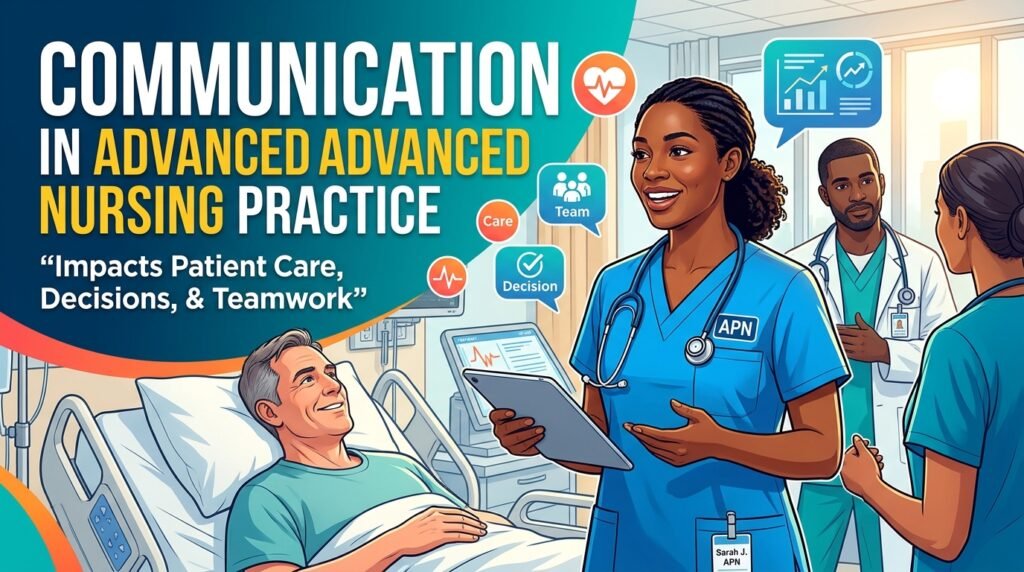
Communication in Advanced Nursing Practice

Communication is an essential part of advanced nursing practice because it influences patient care, clinical decision-making, teamwork, and healthcare outcomes. Advanced practice nurses (APNs) interact with patients, families, physicians, nurses, and other healthcare professionals to assess health needs, coordinate treatment, and promote quality care. Effective communication helps ensure that relevant information is shared accurately, patient

Communication in Advanced Nursing Practice Read More »

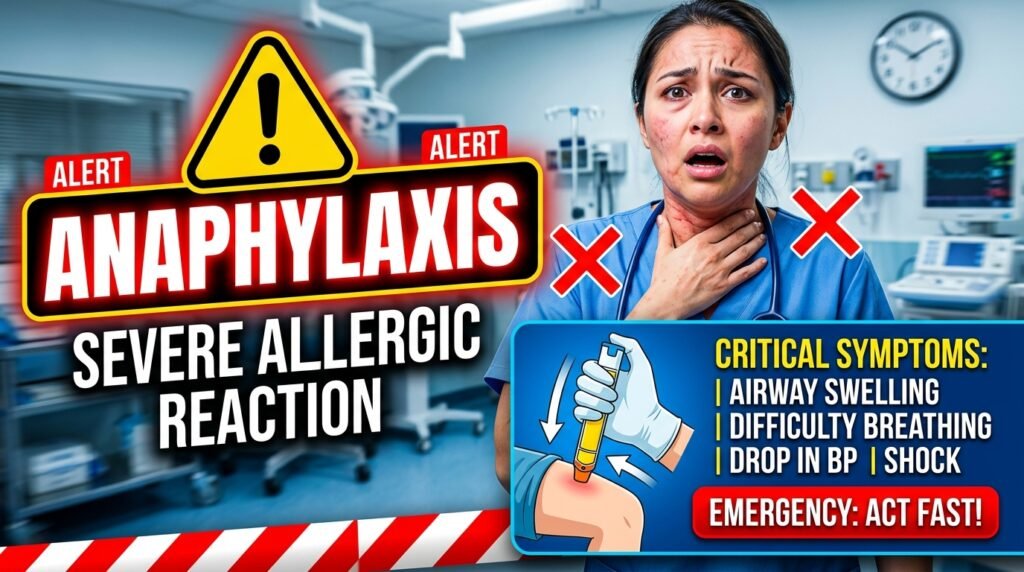
Anaphylaxis: Symptoms, Causes, and Emergency Treatment

Anaphylaxis is a severe, rapid allergic reaction that can become life-threatening without immediate treatment. It can affect several body systems at the same time, particularly the airway, breathing, and circulation. Recognizing the early warning signs and providing prompt emergency treatment are essential for preventing serious complications. What Is Anaphylaxis? Anaphylaxis is a severe systemic allergic

Anaphylaxis: Symptoms, Causes, and Emergency Treatment Read More »

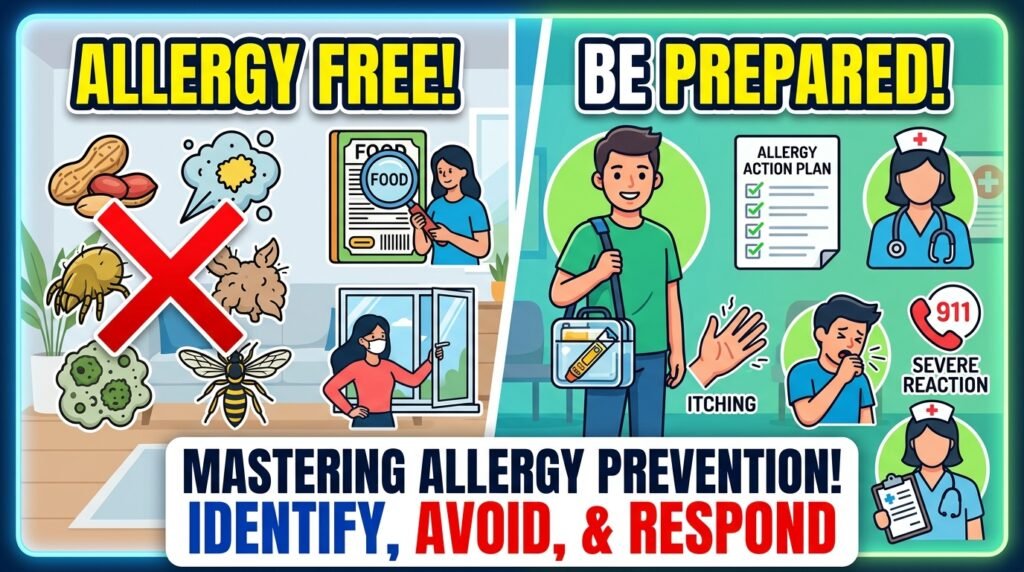
How to Prevent Allergic Reactions: Practical Allergy Prevention Tips

Allergic reactions can often be reduced by identifying and avoiding known allergens. Prevention is especially important for people who have previously experienced allergic reactions because repeated exposure may cause symptoms to return or become severe. Simple precautions at home, at work, and when eating or taking medications can help reduce exposure to common allergens. How

How to Prevent Allergic Reactions: Practical Allergy Prevention Tips Read More »

Allergy Treatment: Medicines, Immunotherapy, and Other Options

Allergy treatment focuses on reducing symptoms, preventing exposure to triggers, and controlling the immune response to allergens. The appropriate treatment depends on the type of allergy, the severity of symptoms, the patient’s age, and other health conditions. Treatment may include allergen avoidance, medications, immunotherapy, or emergency treatment for severe reactions. How Are Allergies Treated? Allergies

Allergy Treatment: Medicines, Immunotherapy, and Other Options Read More »

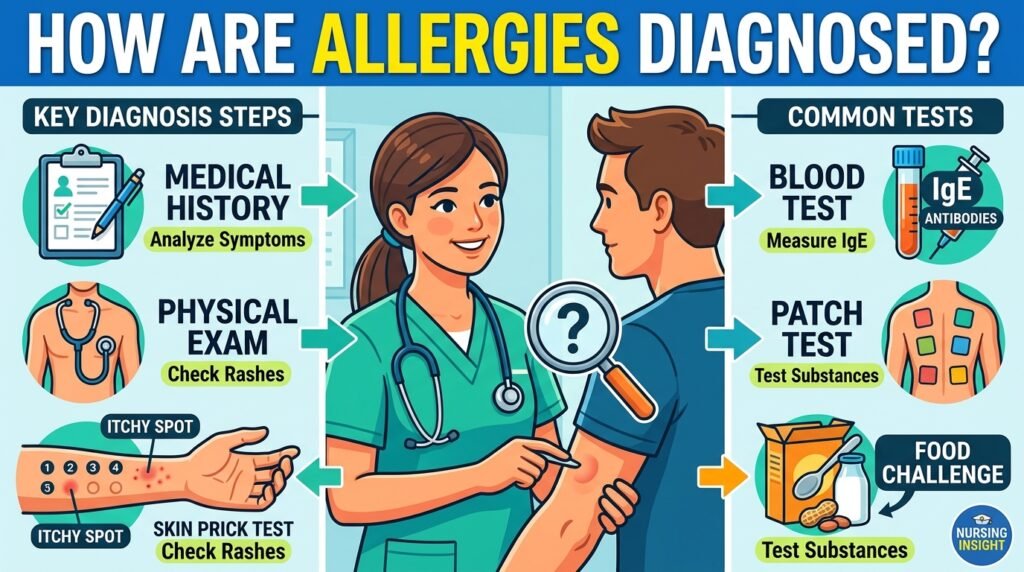
How Are Allergies Diagnosed? Allergy Tests and Diagnosis

Allergies are diagnosed by identifying the substances that trigger a person’s immune response and assessing the symptoms that occur after exposure. Because allergic symptoms can resemble other conditions, healthcare professionals use a combination of medical history, physical examination, and allergy tests to reach a diagnosis. How Are Allergies Diagnosed? The diagnosis of an allergy usually

How Are Allergies Diagnosed? Allergy Tests and Diagnosis Read More »